Houses for renovation in Northern Portugal: risk or opportunity?
Houses for Renovation in Northern Portugal: Risk or Opportunity?
Stone Houses of Northern Portugal: Heritage, Landscape and the Art of Rehabilitation
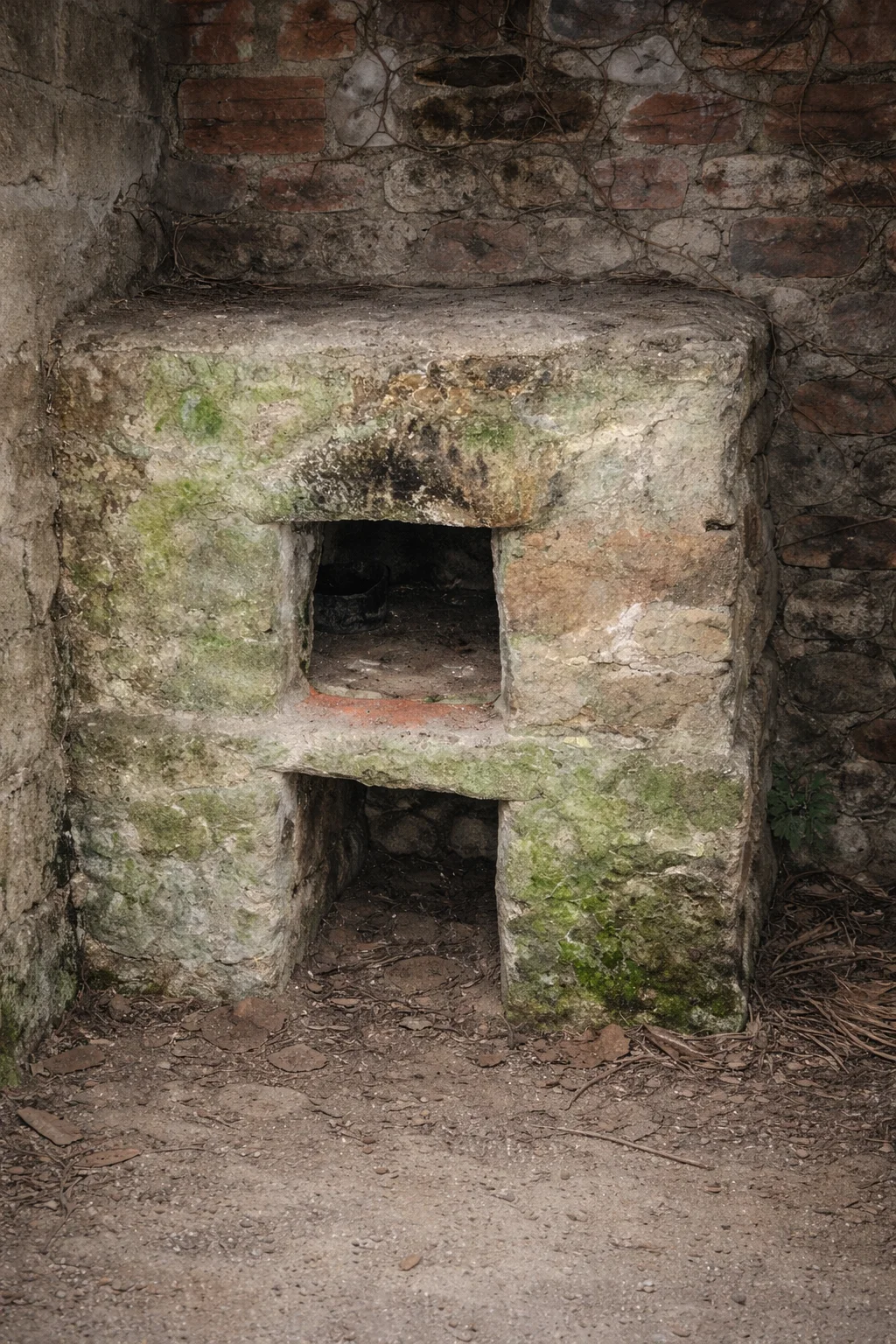
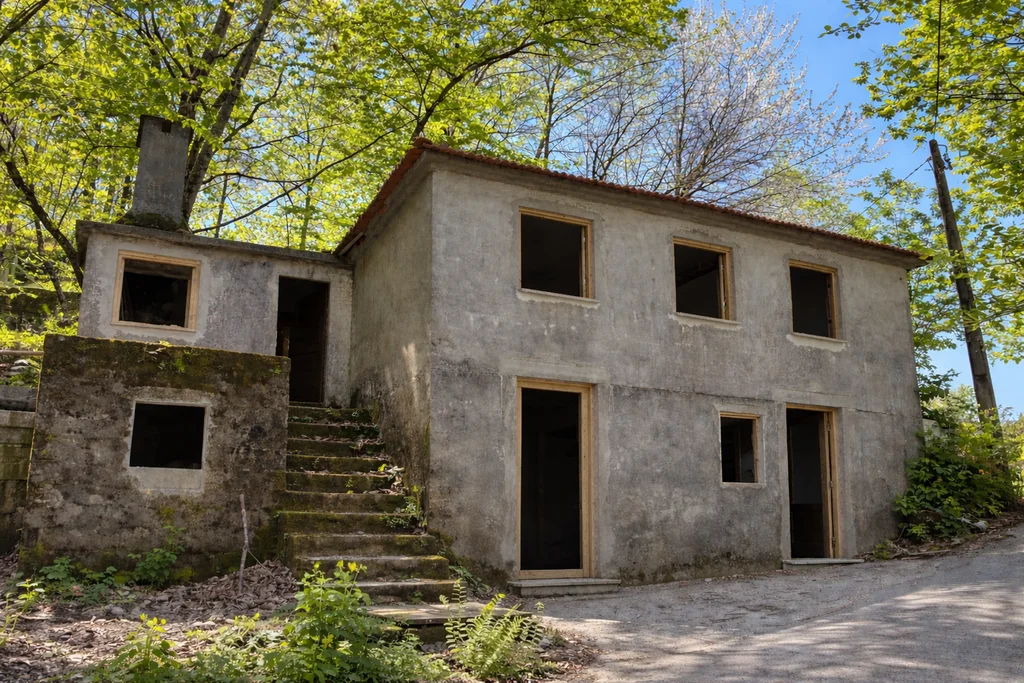
Many of these houses result from the progressive abandonment of the countryside: old rural dwellings, granite houses, properties with ovens, threshing floors, or agricultural outbuildings. When properly assessed, they can be transformed into permanent residences, local accommodation, or distinctive tourism projects.
The main advantages:
- Lower purchase price
- Possibility of maintaining the original design and identity
- Greater freedom to adapt to the intended use
- Significant appreciation after rehabilitation
But beware: not all ruins are good opportunities. It is essential to analyze:
- Legal and registration status
- Feasibility of reconstruction (pre-existing conditions)
- Access, infrastructure, and urban planning context
- Real construction costs (without romanticism)
At Northern Properties, we accompany this entire process, helping to separate good opportunities from disguised traps. Renovating a house can be a risk—or it can be the best investment of your life. The difference lies in the right analysis, in the right place, and with the right partner.
Why are renovation properties attractive in Northern Portugal?
Northern Portugal still has villages and rural areas where traditional houses, agricultural buildings and small stone properties remain available at prices below those normally found around Porto, Lisbon or the Algarve.
These properties may offer:
- Traditional granite or schist construction
- Larger plots of land
- Greater privacy
- Views over mountains, valleys or rivers
- Proximity to villages without being in an urban environment
- The possibility of creating a highly individual home
- More space for the same initial purchase budget
In areas such as Trás-os-Montes, Alto Tâmega, Barroso, the Douro hinterland and parts of Minho, renovation can also help preserve buildings that form part of the identity of the landscape.
The opportunity is real. However, the building must be evaluated as a project, not simply as a cheap property.
The first question: what can legally be renovated?
Before discussing finishes, layouts or construction costs, buyers should confirm what legally exists.
An old building visible on the land is not automatically recognised as a house that can be reconstructed or occupied.
The due-diligence process should establish:
- Whether the building is registered
- Whether the property records correspond to the physical reality
- Whether the building is classified as urban, rural or mixed
- What construction area is officially recognised
- Whether residential use is permitted
- Whether previous alterations were authorised
- Whether the building is located in a protected or restricted area
- Whether reconstruction, extension or a change of use is possible
The land registry, tax records, municipal planning rules and the actual property must tell the same story.
When they do not, the situation should be clarified before the purchase.
Does every renovation require planning permission?
Not necessarily.
Minor interior work may follow a simpler process. Structural changes, extensions, alterations to façades, roof modifications, reconstruction of ruins and changes of use will normally require greater municipal involvement.
Requirements can also vary according to the municipality, the location and the legal status of the building.
A property situated in a protected landscape, agricultural reserve, ecological reserve, heritage area or village conservation zone may be subject to additional restrictions.
For this reason, buyers should not rely only on what the seller, neighbour or estate agent believes can be done. A local architect or engineer should examine the property and, when necessary, obtain clarification from the municipality.
The main risks when buying a house to renovate
1. The building is not fully legal
The house may be larger than the area shown in the records. Some extensions may never have been licensed. In more difficult cases, a ruin may exist physically but have no clear legal recognition as a residential building.
This does not always make renovation impossible, but it can change the project, timetable and value of the property.
2. The structure is worse than it appears
Traditional stone walls can look solid while hiding movement, water damage or poor foundations.
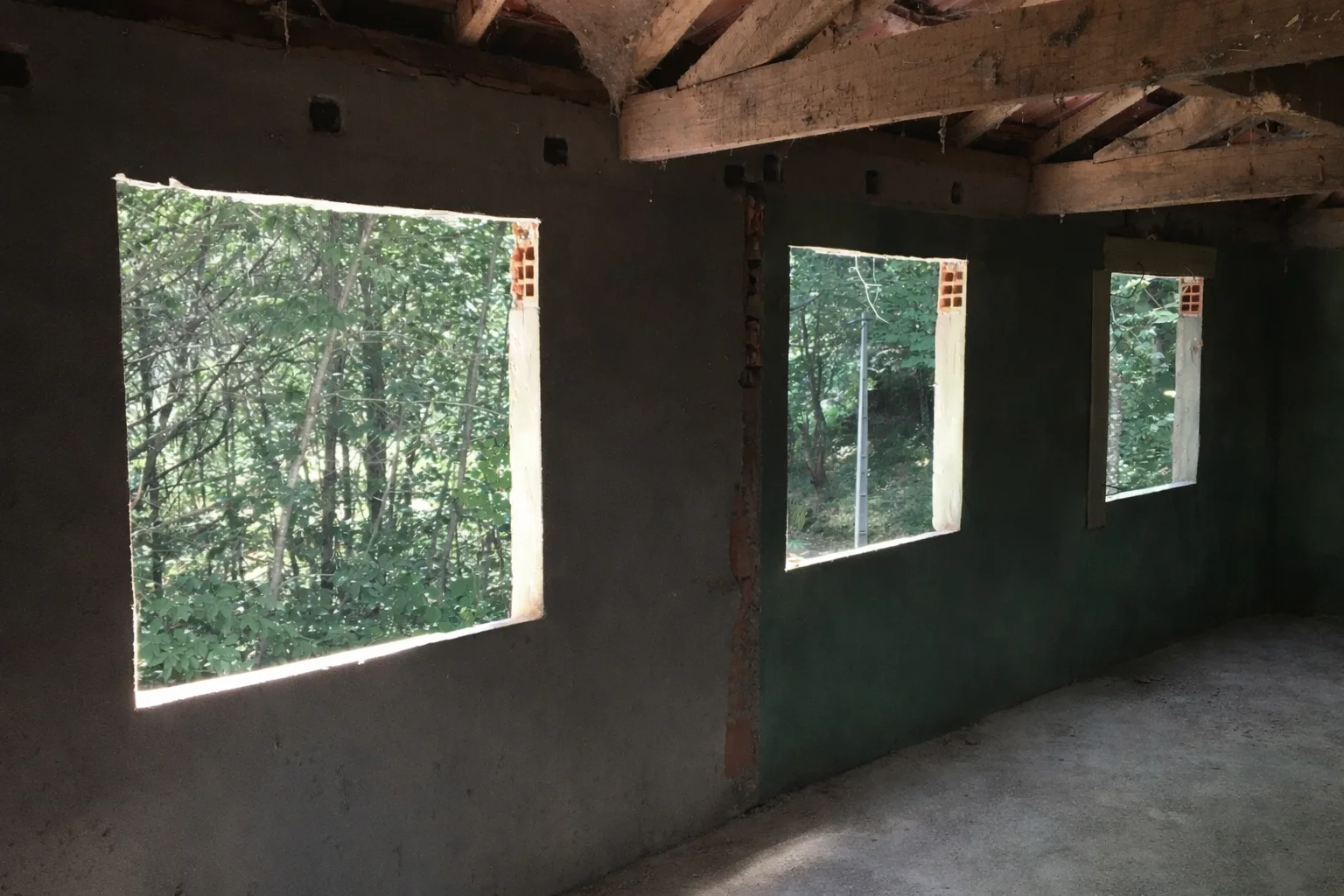
The roof, timber structure, floors and internal walls may require complete replacement. Vegetation, prolonged exposure to rain and years without maintenance can also cause damage that is not obvious during a short visit.
A technical inspection is therefore essential.
3. Utilities are distant or insufficient
A property may be located near a village and still lack a practical connection to:
- Electricity
- Public water
- Sewage
- Telecommunications
- All-weather road access
A distant connection can cost more than expected. In isolated areas, alternative solutions such as boreholes, septic systems, solar energy or private access works may need permits and technical studies.
4. The renovation budget is unrealistic
Renovation costs are not limited to construction work.
A complete budget may need to include:
- Architectural and engineering services
- Surveys and specialist reports
- Municipal fees
- Demolition and waste removal
- Structural reinforcement
- Roof replacement
- Insulation and waterproofing
- Electrical and plumbing systems
- Windows and doors
- Heating and cooling
- Kitchens and bathrooms
- Utility connections
- Exterior works and drainage
- Project management
- Contingency funds
The cheapest house can become the most expensive option when too many unknowns are left unresolved.
5. Access complicates the work
Narrow village streets, steep tracks and remote locations can make it difficult for trucks, machinery and materials to reach the property.
Access conditions affect construction time, labour requirements and cost. They should be assessed before choosing a project or contractor.
6. Local contractors are not immediately available
In rural Northern Portugal, good builders and specialist stone workers may have full schedules.
A buyer should not assume that work can begin immediately after purchase. Obtaining several realistic quotations and discussing availability before committing to the property can prevent long delays.
When does a renovation property become an opportunity?
A renovation project is more likely to make sense when:
- The legal status of the building is clear
- The intended use is permitted
- The structure can be retained or repaired economically
- Essential services are available or affordable to install
- The buyer has a realistic total budget
- There is a financial contingency
- The property suits the buyer’s long-term plans
- The final value justifies the purchase and renovation costs
The strongest opportunities are not always the cheapest ruins.
A more expensive building with a sound structure, confirmed residential use, good road access and existing utilities may ultimately cost less and involve considerably less risk.
Renovation or reconstruction?
These terms should not be treated as interchangeable.
A renovation normally retains a meaningful part of the existing building. Reconstruction may involve rebuilding substantial sections or recreating a building that has partially collapsed.
The legal and technical implications can be different.
Some buyers assume that the footprint of an old ruin can automatically be reused or enlarged. That assumption should always be verified. The presence of walls on a plot does not, by itself, guarantee permission to reconstruct a house with the same volume or purpose.
Should you preserve the traditional architecture?
In many Northern Portuguese properties, the traditional elements are the main source of value.
Granite walls, timber structures, stone ovens, agricultural courtyards, balconies and traditional roof forms can give the finished property a character that new construction cannot easily reproduce.
Preservation does not mean rejecting modern comfort.
A carefully designed project can combine:
- Traditional external materials
- Better natural light
- Modern insulation
- Efficient heating
- Contemporary kitchens and bathrooms
- Improved ventilation
- Comfortable year-round living
The objective should not be to make an old house look artificially new. It should be to preserve what gives the building identity while correcting what prevents it from functioning as a modern home.
Is renovation suitable for an investment property?
It can be, but the investment case should be assessed independently of the emotional appeal.
The buyer should consider:
- Total acquisition and renovation cost
- Time before the property can be used
- Demand for long-term, medium-term or tourism accommodation
- Local licensing requirements
- Management and maintenance costs
- Accessibility and seasonality
- Likely resale market
- Alternative properties already ready to occupy
A beautiful rural house does not automatically produce a strong rental return.
Conversely, a carefully restored property in the right location may appeal to buyers or guests looking for privacy, authenticity and a closer relationship with the landscape.
A practical checklist before buying
Before signing a promissory purchase agreement, try to obtain clear answers to these questions:
- Is the entire building legally registered?
- Is residential use officially recognised?
- Do the property documents match what exists on the ground?
- Can the building be renovated, reconstructed or extended?
- Are there planning, heritage or environmental restrictions?
- Has an architect or engineer inspected the property?
- What structural work is likely to be required?
- How will water, electricity and sewage be provided?
- Can construction vehicles and materials reach the property?
- Have realistic quotations been obtained?
- Is there a contingency for unexpected work?
- Does the total project cost still represent good value?
So, is it a risk or an opportunity?
It is an opportunity when the buyer understands the building before buying it.
It becomes a risk when the decision is based mainly on photographs, low asking prices or assumptions about what can be built.
Northern Portugal offers exceptional renovation possibilities, particularly for people looking for character, land, privacy and a long-term connection to the region. But these projects reward patience, preparation and local knowledge.
The correct order is simple:
Check the legal position. Assess the building. Estimate the complete project. Only then decide whether the property is an opportunity.
At Northern Properties, we present properties honestly and help international buyers understand not only what they can see, but also what needs to be verified before they commit to a purchase.
Tell Us What You Are Looking For
Is it cheaper to renovate or build a new house in Portugal?
It depends on the condition and legal status of the existing building. A sound, legally registered structure may be economical to renovate, while a severely damaged or irregular building can cost more than new construction.
Can a ruin in Portugal always be rebuilt?
No. The existence of old walls does not automatically guarantee permission to reconstruct a residential property. The legal records, recognised building area, permitted use and municipal planning rules must first be checked.
Do I need an architect to renovate a house in Portugal?
An architect may not be necessary for very minor interior work, but structural alterations, extensions, façade changes, reconstruction and licensing processes normally require qualified technical professionals.
What should I check before buying a renovation property?
Confirm ownership, boundaries, registered construction area, permitted use, planning restrictions, structural condition, utility connections, road access and the probable total renovation cost.
Are stone houses difficult to renovate?
They require specialist assessment, particularly regarding moisture, structural movement, insulation, roofing and the compatibility of modern materials with traditional walls. When properly restored, they can provide durable and highly distinctive homes.