Explore what it's really like to live in Chaves before choosing where to buy property in Northern Portugal.
Chaves is a historic city in the Alto Tâmega sub-region of Northern Portugal, located close to the Spanish border and surrounded by mountains, agricultural landscapes and traditional villages.
Unlike many rural locations in the interior, Chaves combines a relaxed pace of life with the practical advantages of a regional city. Residents have access to healthcare, schools, supermarkets, restaurants, cultural facilities, public services and a wide range of everyday businesses without needing to travel to Porto or another major urban centre.
The city is known for its Roman heritage, thermal waters and riverside setting. Its compact historic centre, pedestrian areas and green spaces create an environment where daily life remains manageable and closely connected to the surrounding countryside.
For international buyers, Chaves can offer a balance between urban convenience and a quieter Northern Portuguese lifestyle. It may appeal particularly to retirees, remote workers, families and buyers who want access to services without the congestion and property prices associated with Portugal’s largest cities.
Chaves is located in the district of Vila Real, in the Alto Tâmega region of Northern Portugal (see it on Google Maps).
The city lies in the Tâmega River valley, approximately ten kilometres from the Spanish border. The A24 motorway provides direct connections south towards Vila Real and the Douro region, while nearby roads connect Chaves with Galicia, Bragança, Barroso and the wider Trás-os-Montes region.
Approximate driving times include:
This location makes Chaves particularly attractive to people who want to live in Northern Portugal while maintaining easy access to Spain and the wider Iberian Peninsula.
Life in Chaves is calmer and less congested than in Portugal’s major cities, but it is not isolated.
The city has an active historic centre, traditional cafés, restaurants, local shops, supermarkets, municipal facilities and regular cultural and community events. Most everyday services can be reached within a relatively short distance, particularly for residents living in or close to the urban centre.
The Tâmega River plays an important role in the character of the city. Riverside paths, gardens and pedestrian areas provide space for walking, cycling and spending time outdoors without leaving the centre.
Chaves also maintains a strong connection to the surrounding countryside. Within a short drive, residents can reach traditional villages, agricultural landscapes, forests, mountains and quieter rural areas.
This combination allows buyers to choose between living in the city, on its outskirts or in one of the municipality’s many villages while still relying on Chaves for everyday services.
Although Chaves provides the services of a small city, nature is always close.
The Tâmega River crosses the municipality and supports riverside paths, parks and ecological corridors. The surrounding landscape includes agricultural valleys, forests, hills, traditional villages and routes that once connected Portugal with Galicia.
Outdoor activities available in and around the municipality include:
Walking and hiking
Cycling
Riverside routes
Fishing
Trail running
Nature observation
Rural and mountain routes
Cross-border walks and cycling trips
The Tâmega Ecovia follows sections of the river and contributes to the connection between Chaves and the Spanish border. The municipality is also crossed by the Portuguese Interior Way of the Camino de Santiago.
For more demanding mountain landscapes, residents can easily reach Barroso, Boticas, Montalegre, the Serra da Padrela and other areas of inland Northern Portugal.
This makes Chaves a practical base for people who enjoy nature but do not want to give up access to healthcare, shopping and other everyday services.
Chaves has one of the strongest historical identities in inland Northern Portugal.
Known as Aquae Flaviae during the Roman period, the city developed around its thermal springs and strategic position beside the Tâmega River. The Roman Bridge remains one of its best-known landmarks and continues to connect both sides of the historic centre.
Other important cultural and historical sites include:
The Roman Thermal Baths Museum
Chaves Castle and its medieval keep
The historic city walls
São Francisco Fort
São Neutel Fort
The Nadir Afonso Contemporary Art Museum
The Church of Santa Maria Maior
The Church of Misericórdia
The traditional streets and balconies of the historic centre
The city’s thermal waters emerge at approximately 73°C and have been valued since Roman times. Today, the thermal facilities continue to contribute to Chaves’ identity as a destination connected to health, wellbeing and slower living.
Chaves is also known for its regional gastronomy, including Pastéis de Chaves, cured meats, smoked products and traditional dishes associated with Trás-os-Montes.
Chaves has a continental-influenced climate, with more pronounced seasons than Portugal’s coastal areas.
Summers are generally warm, dry and sunny. Daytime temperatures can be high during the hottest periods, although evenings are often cooler than in many southern regions.
Winters are cold by Portuguese standards, particularly during the night and early morning. Frost is common in the surrounding valley and occasional snowfall may occur in higher parts of the municipality.
Spring and autumn bring milder temperatures and visible seasonal changes across the agricultural and natural landscape.
For property buyers, the local climate makes insulation, heating, window quality and sun exposure especially important when assessing older homes.
Chaves functions as an important healthcare centre for the Alto Tâmega region.
Residents have access to the public hospital in Chaves, local health centres, pharmacies, clinics, dental services, diagnostic facilities and other healthcare providers.
Additional specialist and hospital services are available in Vila Real and Porto when required.
For retirees and families considering inland Northern Portugal, having a hospital and a broad range of healthcare services within the city is one of Chaves’ principal advantages over smaller rural municipalities.
Chaves provides public education from primary through secondary level, together with vocational and professional training options.
The city is also home to the School of Hospitality and Wellness of the Polytechnic Institute of Bragança, giving Chaves a small higher-education community and supporting areas connected to tourism, hospitality and wellbeing.
Universities and additional higher-education institutions can be found in Vila Real, Bragança, Braga and Porto.
Families considering properties outside the city centre should examine school transport and daily travel distances carefully, as the municipality includes a large number of rural villages and parishes.
Fibre internet is available in many parts of Chaves and its surrounding urban areas, making remote work practical for a growing number of residents.
Coverage can vary between the city, its outskirts and more isolated villages. Buyers who depend on a fast and stable connection should confirm the available operators and expected speeds for the exact property address before purchasing.
Mobile coverage is generally reliable in the city and main settlements but may be less consistent in valleys, mountain areas and remote rural locations.
For remote workers, Chaves offers an appealing combination of connectivity, everyday services, lower population density and access to nature.
Chaves is generally considered a calm and safe city.
Daily life is quieter than in Portugal’s major urban centres, and serious violent crime is uncommon. The historic centre, residential neighbourhoods and surrounding villages typically maintain a strong sense of local community.
As in any city, normal precautions remain advisable, particularly regarding vehicles, vacant properties and homes that are only occupied for part of the year.
For many international buyers, Chaves provides the reassurance of living in a small regional city where services are accessible and the pace of life remains relatively relaxed.
The property market in Chaves is more varied than in many smaller municipalities of inland Northern Portugal.
Buyers may find:
Apartments and renovated homes in central locations may appeal to buyers who prioritise convenience, walkability and access to services.
The outskirts and surrounding villages generally offer more space, larger plots and greater privacy, although they may require a car for everyday life.
Compared with Porto, Lisbon and many coastal areas, property prices can remain more accessible. However, values vary significantly according to condition, location, energy efficiency, land, views and proximity to the city.
Older properties should be assessed carefully for insulation, heating systems, humidity, roof condition and renovation costs, particularly because winters in Chaves are colder than on the Portuguese coast.
Chaves may be an excellent choice for:
It may be less suitable for people who require frequent international flights, extensive urban public transport, a large international community or the cultural and employment opportunities of a major metropolitan area.
A car is particularly useful for anyone living outside the city centre or planning to explore the wider region regularly.
For many retirees, yes. Chaves offers a calm environment, a public hospital, healthcare services, shops, restaurants, green spaces and a relatively manageable cost of living.
The colder winter climate and the energy efficiency of individual properties should be considered carefully before buying.
Yes. Portugal places no general restrictions on foreign nationals purchasing property.
International buyers should use independent legal representation and verify the property’s registration, licensing, boundaries and planning status before completing a purchase.
Yes. Fibre internet is available in many parts of the city and municipality.
However, coverage should always be confirmed at the exact property address, particularly in smaller villages or isolated rural locations.
Portuguese is the main language used in everyday life.
English may be spoken by younger residents and people working in tourism, hospitality or property services, but it should not be assumed in local shops, public services or rural communities.
Learning some Portuguese will make daily life easier and support better integration into the local community.
Yes. The Spanish border is approximately ten minutes from the city by car, and the Galician town of Verín can generally be reached in around 25 minutes.
Cross-border shopping, services and travel form a normal part of life for many local residents.
In 40 minutes you have access to A Gudina high speed train station that connects to Madrid and the rest of Spain.
It is possible to live without a car in central Chaves, particularly if the property is within walking distance of shops, healthcare and other services.
A car becomes much more important for people living on the outskirts, in surrounding villages or wishing to explore the wider Alto Tâmega region.
Buying a property is also choosing a daily routine, a climate and a relationship with the surrounding territory.
Before making a decision, international buyers should spend time in Chaves outside the main holiday periods, explore different neighbourhoods and villages, test travel distances and understand how the city functions throughout the year.
It is particularly useful to experience the region during winter, when heating, insulation, sun exposure and accessibility become easier to evaluate.
This will provide a much clearer understanding of whether central Chaves, the outskirts or one of the surrounding rural communities best matches the lifestyle you are looking for.
Below you will find our current selection of properties available within the municipality of Chaves.
Whether you are searching for an apartment close to the historic centre, a family home, a traditional village property, a renovation project or a countryside retreat, our focus is on carefully selected opportunities that reflect the character and lifestyle of Northern Portugal.
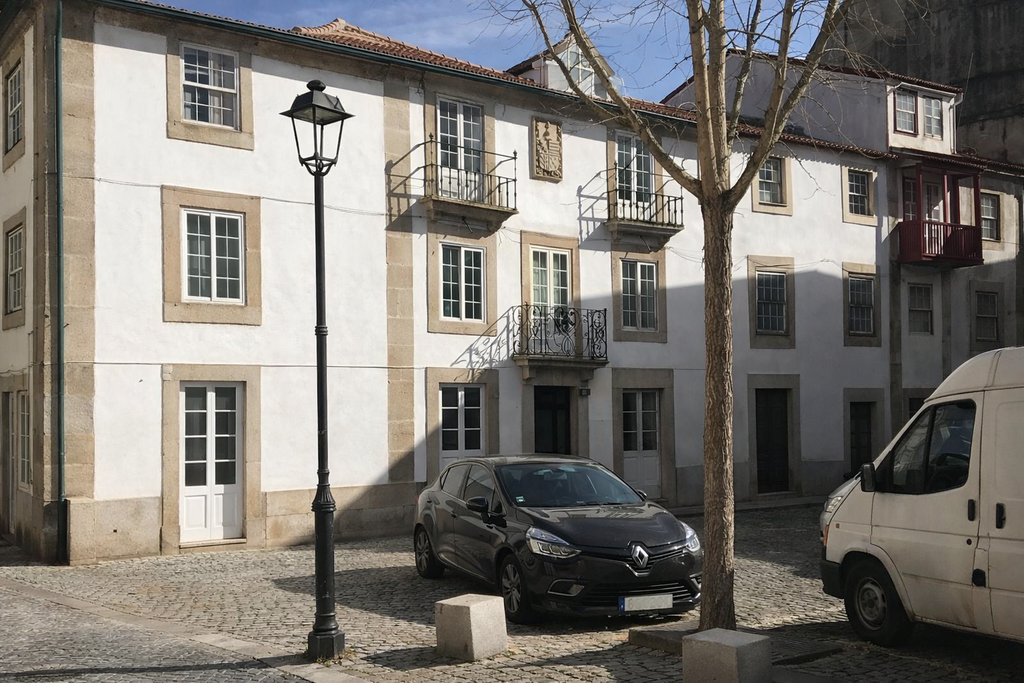
Located in a quiet residential area close to the centre of Chaves, this apartment offered convenient access to shops, services and everyday amenities. A practical property that has now found its new owner.